
All About Sound Waves: Part 2Physics & Acoustic Parameters (ARDMS SPI)
All About Sound Waves: Part 2
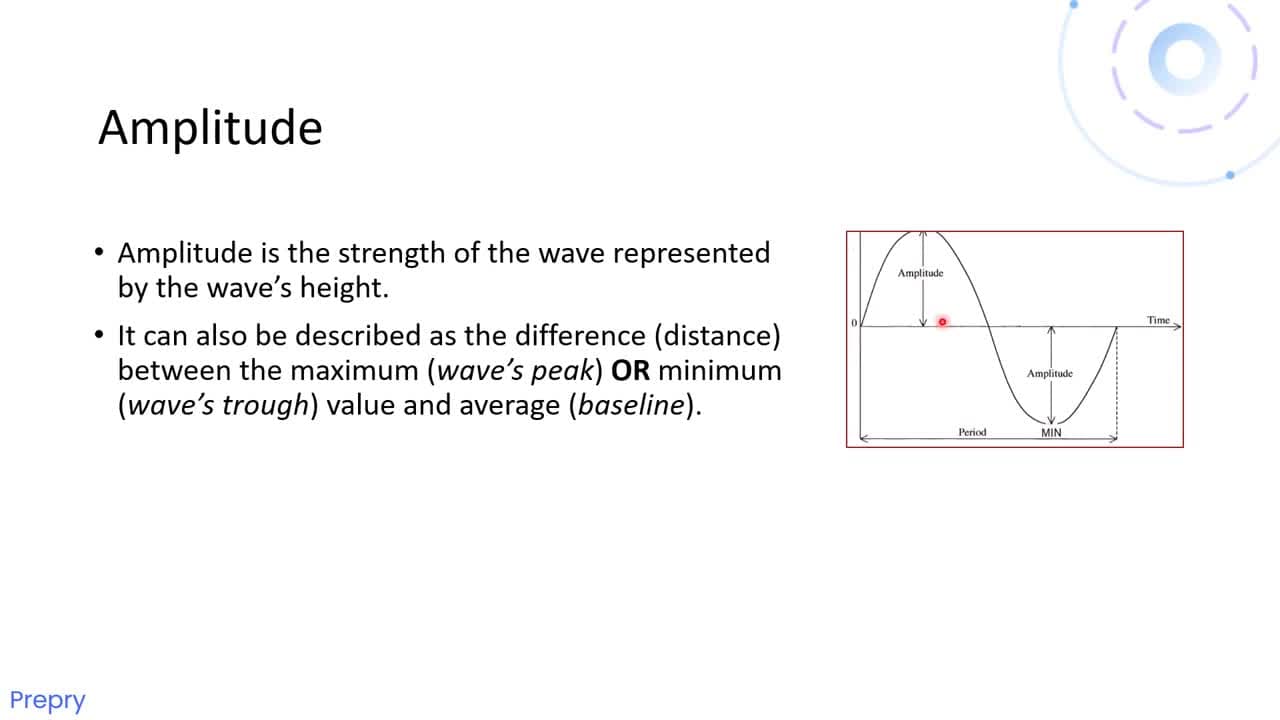
Explore the superhero parameters of ultrasound physics: power, intensity, and amplitude. Understand how operator-adjustable controls like output gain affect acoustic energy transmission and the relationship between beam area and signal strength. ARDMS, ARRT, and CCI registry exam preparation.
Lesson Overview & Exam Focus
Explore the superhero parameters of ultrasound physics: power, intensity, and amplitude. Understand how operator-adjustable controls like output gain affect acoustic energy transmission and the relationship between beam area and signal strength. ARDMS, ARRT, and CCI registry exam preparation.
Key Exam Takeaways & Study Notes
- Explore the superhero parameters of ultrasound physics: power, intensity, and amplitude.
- Understand how operator-adjustable controls like output gain affect acoustic energy transmission and the relationship between beam area and signal strength.
- Power represents the rate of energy transfer in watts, while intensity describes energy concentration within the beam's area.
- High-yield ARDMS SPI registry concepts in All About Sound Waves: Part 2: SPI exam prep, ultrasound physics, acoustic parameters, sound wave amplitude, beam intensity, output power.
All About Sound Waves: Part 2: Registry Exam FAQ
What does All About Sound Waves: Part 2 cover on the ARDMS SPI registry exam?
Explore the superhero parameters of ultrasound physics: power, intensity, and amplitude. Understand how operator-adjustable controls like output gain affect acoustic energy transmission and the relationship between beam area and signal strength.
Which high-yield ARDMS SPI topics and keywords are tested in All About Sound Waves: Part 2?
Key registry concepts tested in this lesson include SPI exam prep, ultrasound physics, acoustic parameters, sound wave amplitude, beam intensity, output power. Knowing how these concepts appear on clinical images and physics questions helps you avoid common ARDMS SPI exam distractors.
Key Registry Concepts in This Lesson
Full Glossary →Propagation speed
Propagation speed is how fast sound travels through a medium, and it depends only on the medium's stiffness and density, not on the transducer. Speed rises with stiffness and falls with density, so sound travels fastest in bone, around 3,500 m/s, and slowest in air, while soft tissue is assumed to average 1,540 m/s. The machine uses that assumed value, together with echo return time, to calculate the depth of a reflector.
On the exam: SPI questions use the 1,540 m/s assumption to test depth calculation, and ask which tissue property, stiffness or density, produces the fastest or slowest propagation speed.
Transcript
11:43 lessonPower represents the rate of energy transfer in watts, while intensity describes energy concentration within the beam's area. These operator-adjustable parameters determine the magnitude of the transmitted signal.
Ready to Test Your Knowledge?
Practice with hundreds of questions designed to help you pass the SPI Exam.
Get Full Access
Unlock all SPI Exam Prep video lessons plus practice questions.
- All video lessons in this course
- 10,000+ practice questions
- Pass guarantee included
25 free questions per exam plus the Question of the Day. No credit card required.